

What is the best time to visit Choquequirao? This is one of the most common questions travelers ask before planning the Choquequirao trek. Choosing the right season can make a big difference to your hiking experience, comfort, and safety.
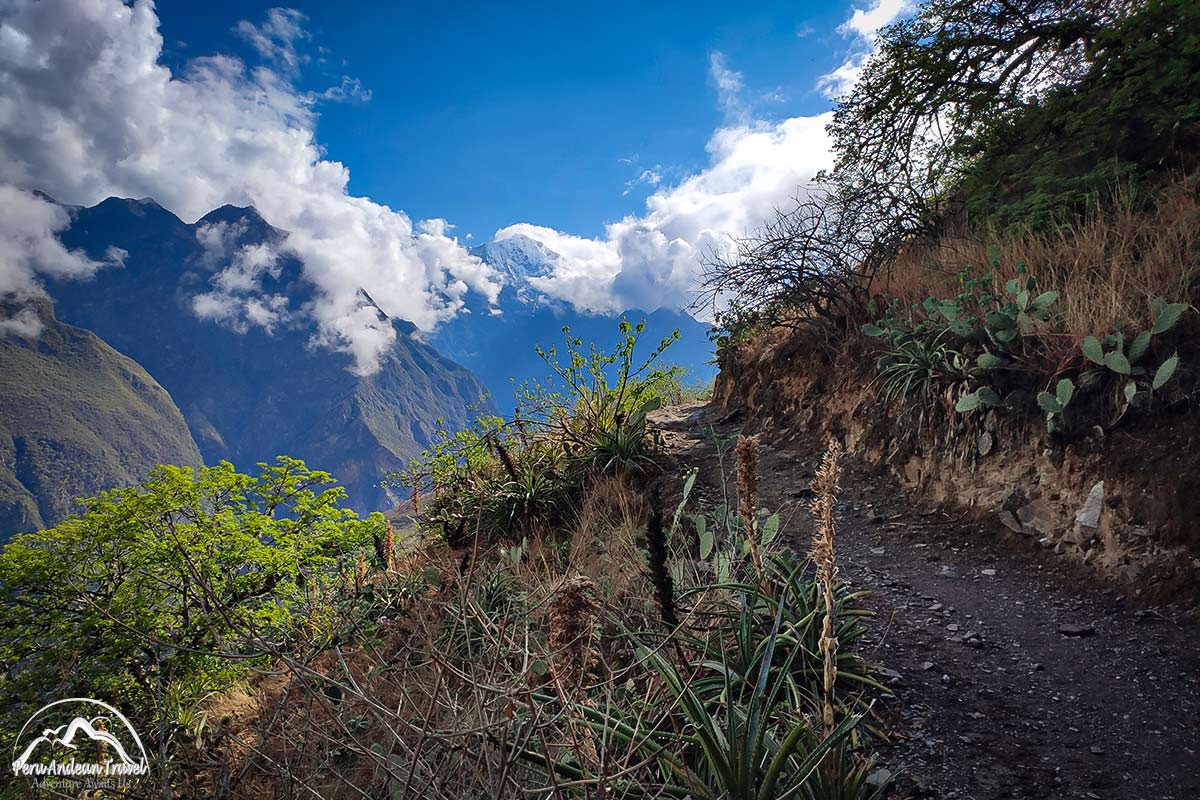
Choquequirao is an impressive Inca archaeological site located in the Peruvian Andes, near the deep Apurímac Canyon. Reaching this remote destination requires a challenging hike through steep mountain trails, changing landscapes, and different altitude zones. For this reason, weather conditions are an important part of your travel plans.
Understanding the dry and rainy seasons will help you choose suitable travel dates, prepare the right equipment, and enjoy the journey to one of the most fascinating archaeological sites in the Vilcabamba region.
The Weather in Choquequirao
In the Andean region of Peru, the year is generally divided into two main seasons: the dry season and the rainy season. Unlike destinations that experience four clearly defined seasons, the climate in the Peruvian Andes is strongly influenced by altitude, mountain geography, and regional weather patterns.
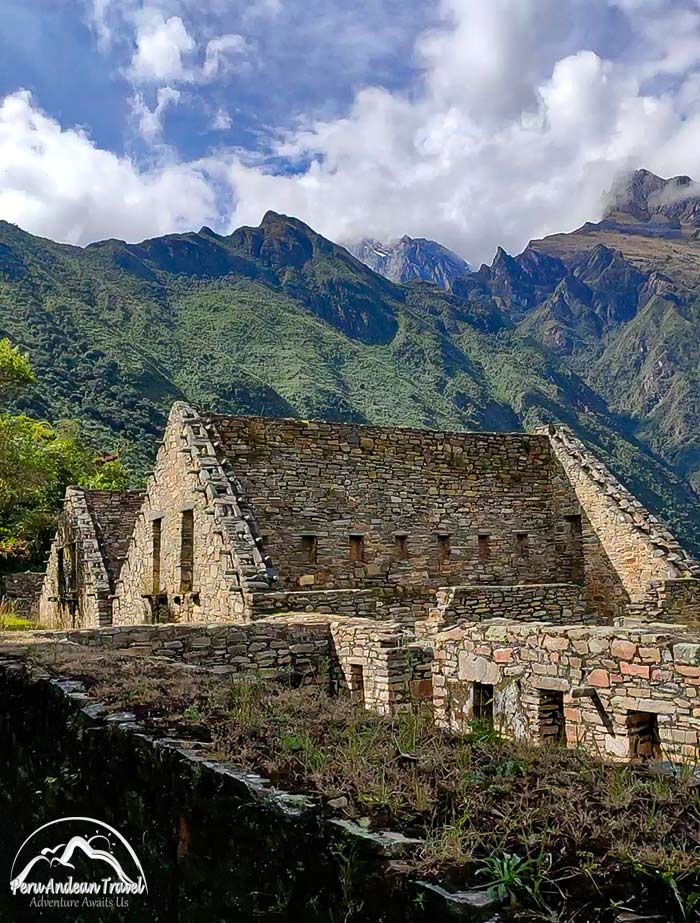
Choquequirao lies in a mountainous environment, and conditions can change along the trail. Temperatures may be warm during the day, especially in lower areas, while nights can be cold at higher Choquequirao Campsites. Rain can also occur outside the main rainy season.
The two main seasons are:
- Dry season: approximately April to November.
- Rainy season: approximately December to March.
These dates are general guidelines rather than fixed rules. Weather patterns can change from year to year, so it is important to check local conditions before starting your trek.
The Dry Season in Choquequirao
The dry season is generally considered the best time to Trek to Choquequirao. From April to November, rainfall is usually lower, and hikers often have better conditions for walking along the mountain trails and enjoying the surrounding scenery.
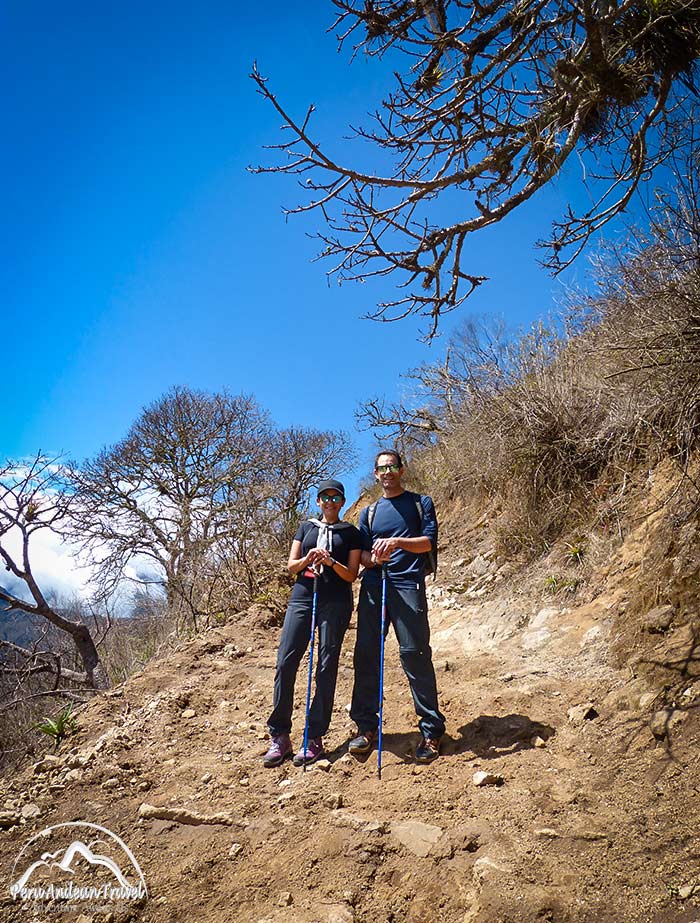
Although the weather is not always predictable, this period can offer a more comfortable trekking experience, particularly for travelers who want to reduce the chance of encountering heavy rain on steep or muddy sections of the route.
Main Characteristics of the Dry Season
- Less frequent rainfall than during the rainy season.
- Many sunny days, although clouds and occasional showers are still possible.
- Cold nights, especially at higher campsites such as Marampata.
- Generally drier trails and more comfortable hiking conditions.
- Clearer views of the Apurímac Canyon and surrounding mountains on suitable days.
- Better opportunities to observe the local landscape and wildlife.
- Trekking services, muleteers, and mules may be more readily available, depending on local arrangements.
The dry season is popular because it often provides favorable conditions for a demanding mountain trek. However, hikers should still bring waterproof clothing, sun protection, and warm layers.
The Rainy Season in Choquequirao
The rainy season usually extends from December to March. During these months, rainfall can be heavier in the Apurímac Canyon and along sections of the trail leading to Choquequirao.
Wet conditions may make the route more difficult. Some paths can become muddy and slippery, while steep slopes may be affected by erosion or landslides.
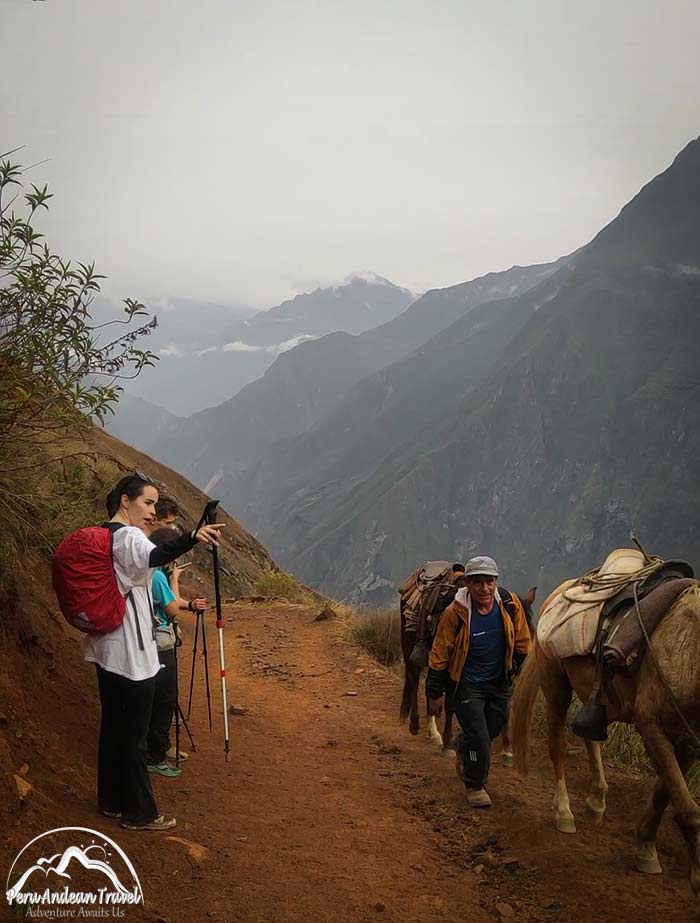
These conditions can increase the physical demands of the trek and require extra caution. Because the Choquequirao Trekking route involves significant elevation changes and long hiking days, travelers should carefully consider the weather before choosing to trek during the rainy season.
What to Expect During the Rainy Season?
- More frequent and sometimes heavy rainfall.
- Muddy, slippery, or difficult trail sections.
- A greater risk of landslides in vulnerable areas.
- Cloud, mist, and reduced visibility, particularly in the mornings.
- Possible changes to campsite conditions and local trekking services.
- Potential delays or changes to the itinerary if weather conditions become unsafe.
Muleteers and their animals may also have more difficulty moving along muddy or slippery paths. The availability of mules, campsites, accommodation, and other services can vary, so travelers should confirm arrangements before departure.
Important: Trekking during periods of heavy rain requires careful planning. Check current trail conditions and local advice before setting out. If conditions are unsafe, postponing the trek is the better choice.
The Best Months to Visit Choquequirao
Although the dry season generally offers the most favorable trekking conditions, some months may appeal to travelers for different reasons. The best choice depends on your priorities, such as trail conditions, scenery, rainfall, and visitor numbers.
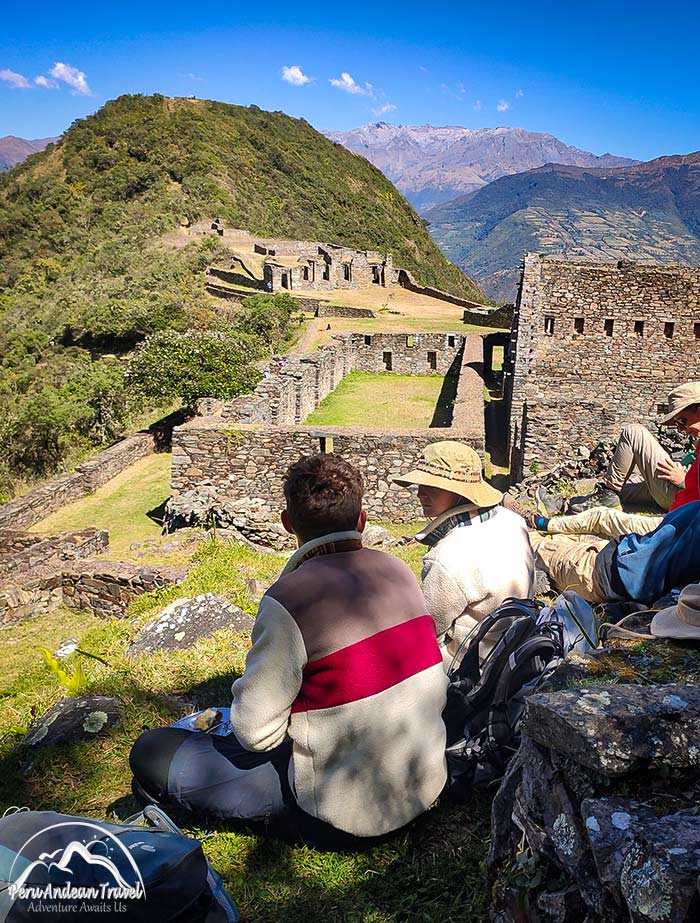
Late March: The End of the Rainy Season
Late March can be an interesting time to visit Choquequirao as the rainy season begins to give way to drier conditions. The surrounding vegetation may look especially green, and the landscape can be full of life after months of rainfall.
However, March is still part of the usual rainy season. Trails may remain wet or muddy, and heavy rain is still possible. Before planning a trek during this period, check the latest weather forecast and trail conditions.
April to November: The Main Trekking Season
April marks the usual transition toward the dry season, while the following months generally bring less rainfall. This period is often the preferred choice for travelers planning a trek to Choquequirao.
After the rainy months, the mountains may still have lush vegetation, while the decreasing rainfall can make hiking more comfortable. As the season progresses, trail conditions and visibility can vary according to local weather.
Services such as campsites, accommodation, muleteers, and mules may be available along the route, but it is always advisable to confirm availability in advance.
What Makes These Months a Good Choice?
- The landscape can remain green after the rainy season.
- The Apurímac Canyon may offer impressive views when skies are clear.
- Many days provide suitable conditions for long hikes.
- Trails are generally less muddy than during the wettest months.
- Trekking logistics may be easier to organize with advance reservations.
Keep in mind that the dry season is not completely rain-free, and weather conditions can change quickly in the mountains.
What Can You See During the Best Season for the Choquequirao Trek?
Choosing a suitable time for your trek gives you a better opportunity to enjoy the natural beauty of the Andes. The route to Choquequirao crosses a variety of landscapes, from warm canyon areas to cooler mountain environments.
Along the way, you can experience the region’s changing vegetation, dramatic mountain views, and rich natural surroundings before reaching the archaeological complex.
1. The impressive Apurímac Canyon
The route descends into and climbs out of the Apurímac Canyon, offering remarkable views of its deep slopes and rugged terrain. The changes in altitude make this one of the most physically demanding parts of the trek.
2. Majestic Andean mountains
The surrounding mountains create a dramatic setting throughout the journey. On clear days, you may enjoy wide views across the Andean landscape.
Mountain vegetation and wildlife.
Different altitude zones support a variety of plants and animals. The types of species you encounter will depend on the season, elevation, and local conditions.
3. The flight of the Andean condor
The Andean condor inhabits parts of the wider Andean region. Although sightings are never guaranteed, travelers may be fortunate enough to see these impressive birds soaring above the canyon.
4. The archaeological site of Choquequirao
After the demanding hike, you can explore the remarkable Inca terraces, ceremonial areas, and stone structures of Choquequirao. Its remote location and mountain setting make the visit a memorable experience for travelers interested in Inca history and archaeology.
Tips for Planning Your Choquequirao Trek
Good preparation is essential for enjoying this challenging route. Before traveling, consider the following recommendations:
- Choose your travel dates carefully. The dry season is generally the preferred period, but check the forecast before departure.
- Prepare physically. The trek includes steep ascents and descents, so regular walking, hiking, and endurance training can help.
- Bring suitable hiking equipment. Wear comfortable trekking boots with good grip and pack a waterproof jacket, warm clothing, and extra socks.
- Protect yourself from the sun. Bring sunscreen, sunglasses, a hat, and enough drinking water.
- Prepare for temperature changes. Lower sections of the route can be warm, while higher campsites may be cold at night.
- Check local conditions. Ask about trail safety, weather alerts, and campsite availability before beginning the trek.
- Plan your support services. If you need mules, a muleteer, accommodation, or a guide, arrange these services in advance.
- Consider trekking with a travel agency. An experienced local team can help organize transport, meals, campsites, and other logistics according to your itinerary.
Should You Visit Choquequirao During the Rainy Season?
A rainy-season trek may be possible when conditions allow, but it requires more flexibility and careful preparation. Rain can make the trail more difficult, reduce visibility, and increase risks on steep slopes.
If you are an inexperienced hiker or prefer more predictable walking conditions, consider planning your trip during the drier months. If you are considering a rainy-season departure, obtain current local advice and be prepared to change your plans if necessary.
Your safety should always come before your travel schedule.
Conclusion: Choosing the Best Time to Visit Choquequirao
For most travelers, the dry season from April to November is generally the best time to visit Choquequirao. These months often bring less rainfall and more favorable conditions for hiking through the Apurímac Canyon and reaching the archaeological site.
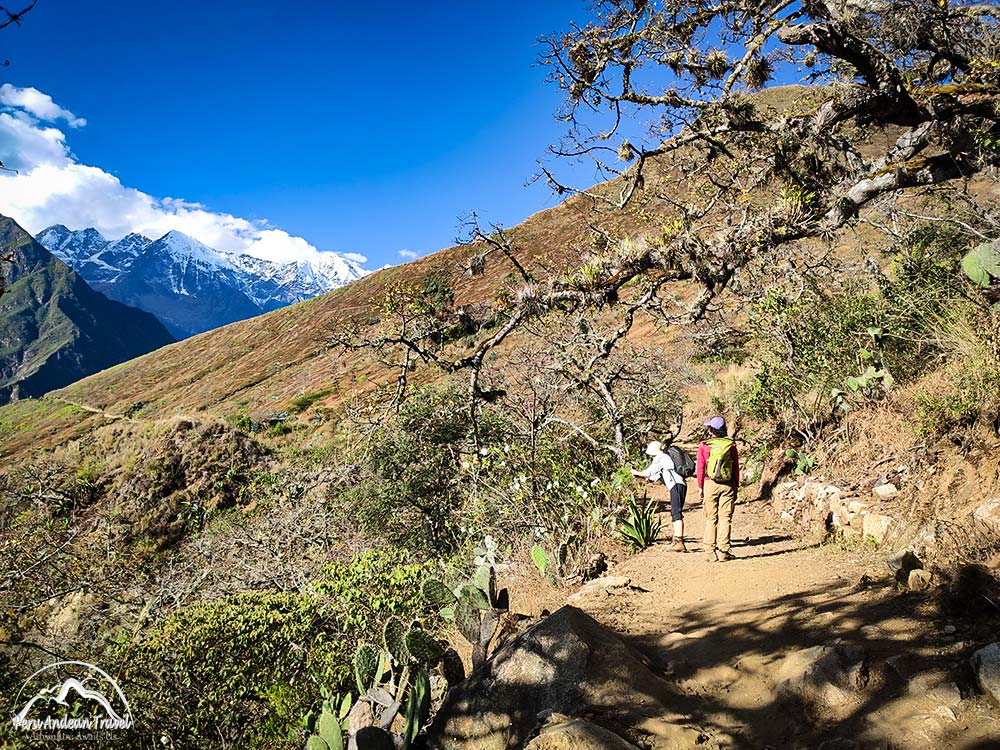
Late March may offer beautiful green landscapes, but it is still within the usual rainy season, so checking current conditions is especially important.
To make the most of your adventure, choose your dates carefully, prepare physically, bring the right trekking equipment, and seek reliable local information before departure.
At Choquequirao Travel, we can help you plan your journey to this extraordinary Inca site. Contact our team to learn more about the Choquequirao Classic Trek and organize an adventure through the spectacular landscapes of the Peruvian Andes.


