

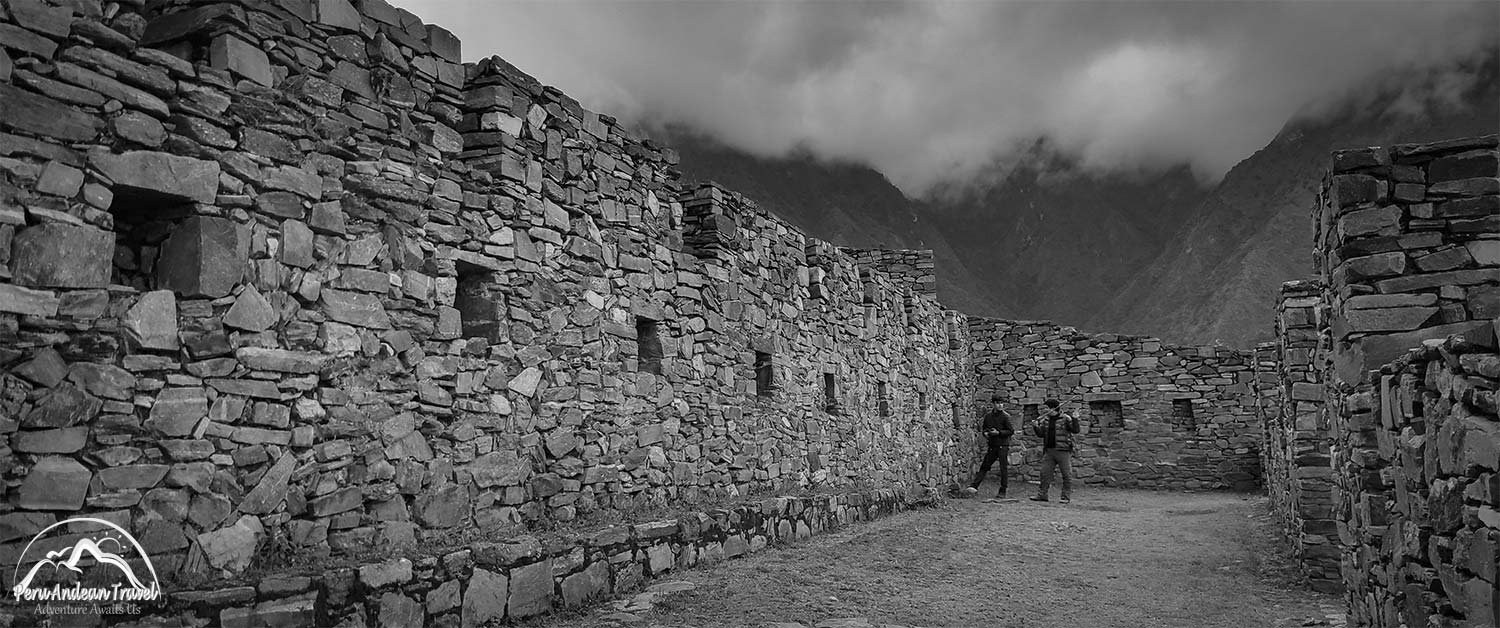
The history of Choquequirao is one of the most fascinating stories of the ancient Inca world. Hidden among the rugged mountains of the Vilcabamba range in southern Peru, this remarkable archaeological complex preserves the remains of an important Inca settlement whose original purpose is still being investigated.

Surrounded by deep valleys, steep mountain slopes and the impressive Apurímac Canyon, Choquequirao is much more than an isolated group of stone buildings. Its terraces, ceremonial spaces, residential areas and carefully planned architecture offer valuable clues about how the Incas organized their society, managed agricultural land and expressed their religious beliefs.
Although Choquequirao is often compared to Machu Picchu, it has its own historical character. Its remote location and the challenges involved in reaching it have helped preserve an atmosphere of mystery, making it one of the most intriguing destinations for travelers interested in Inca history and Andean archaeology.
The Origins of Choquequirao
The exact origins of Choquequirao remain uncertain. Archaeological research and historical interpretations suggest that the site developed during the expansion of the Inca state, particularly during the fifteenth century. Some researchers associate its construction with the reign of Túpac Inca Yupanqui, one of the rulers responsible for the expansion and consolidation of the Inca Empire.

One interpretation proposes that Choquequirao functioned as a royal estate and ceremonial center, comparable in some respects to Machu Picchu. According to this view, the site may have been associated with the authority of an Inca ruler and with rituals intended to maintain the memory and prestige of the royal lineage.
However, its precise role is still debated. Choquequirao may have combined several functions, including political administration, agricultural production, religious ceremonies and the accommodation of people responsible for maintaining the settlement.

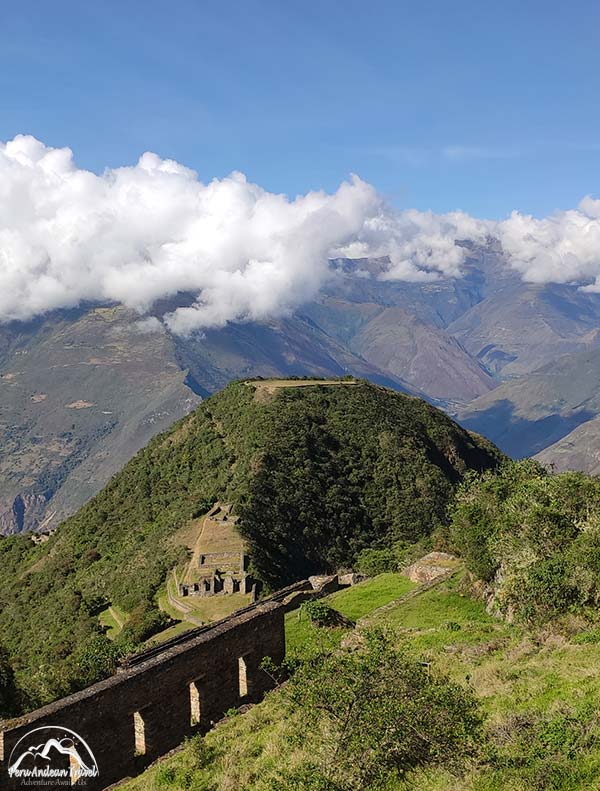
The site’s location offers an important clue to its significance. Positioned high above the Apurímac River and near routes leading into the Vilcabamba region, Choquequirao occupied a strategic landscape connecting different ecological zones of the Andes.
Rather than seeing it simply as a fortress or a hidden city, it is useful to understand Choquequirao as a complex settlement where political authority, agricultural resources, spiritual beliefs and the surrounding natural environment may have been closely connected.
Choquequirao and the Inca Civilization
To understand the history of Choquequirao, it is necessary to consider the wider world of the Inca civilization, known as Tawantinsuyu. Before the arrival of the Spanish, the Incas established an extensive political and administrative system that connected communities across a vast territory of western South America.
Their achievements included sophisticated stone construction, agricultural terraces, road networks, water-management systems and carefully organized settlements. These elements helped communities adapt to the extraordinary variety of landscapes found throughout the Andes.
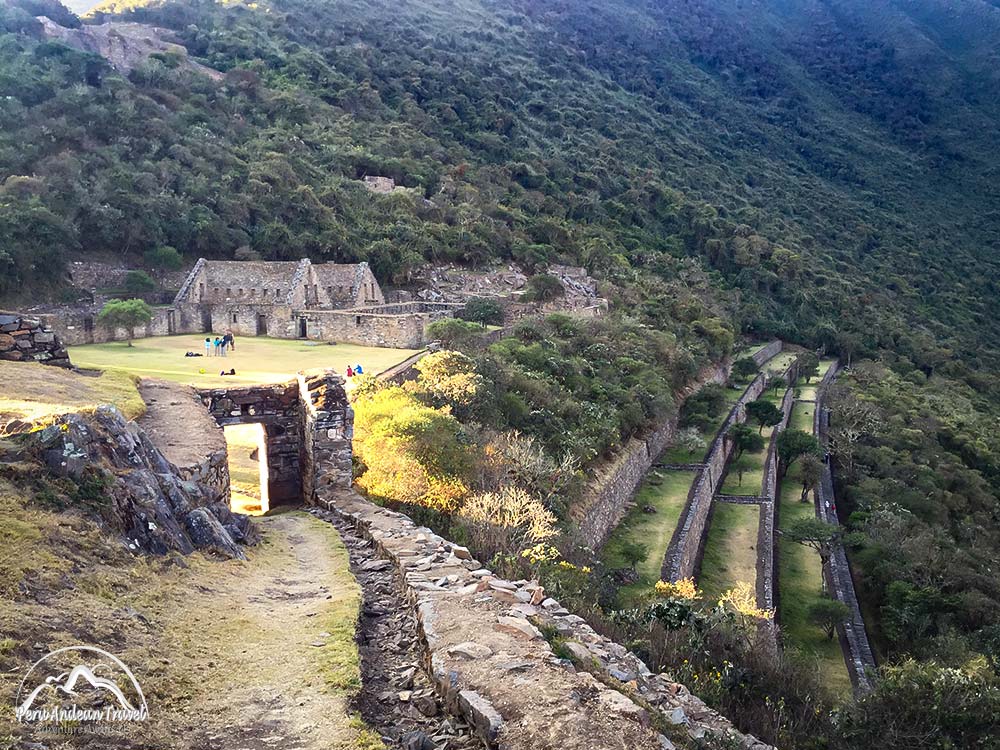
Choquequirao reflects many of these achievements. Its builders transformed steep mountain slopes into usable spaces, constructed buildings suited to the terrain and organized different areas for activities that may have included residence, storage, ceremonies and agriculture.
The construction of such a settlement would have required considerable planning and labor. Stone had to be selected and transported, foundations prepared, terraces stabilized and water managed across uneven ground. These tasks reveal a detailed understanding of the local environment.
The archaeological remains also suggest that Choquequirao was not an isolated place without connections to the wider Inca world. Its architecture and material culture link it to broader traditions of Inca construction and settlement organization.
The Meaning and Origin of the Name Choquequirao
The name Choquequirao is commonly translated as the “Cradle of Gold.” Its interpretation is generally associated with elements from Andean languages, often explained through the Aymara word chuqi, connected with gold or precious metal, and the Quechua term k’iraw, meaning cradle or place associated with a cradle.
This interpretation has become widely accepted in tourism and cultural descriptions of the archaeological site. Nevertheless, the precise historical origin of the name and its original meaning should be treated with care because the name alone cannot establish the site’s original purpose.
Gold held deep cultural and religious significance in the Inca world. It was associated with the Sun and appeared in objects used by rulers and religious specialists. Precious materials were not simply valuable possessions; they could also express political authority, sacred relationships and connections with the divine.
The name Choquequirao therefore invites an interesting reflection on how Andean communities understood precious materials and their relationship with the natural and spiritual worlds.
It is important, however, not to assume that Choquequirao was a major gold-mining center simply because its name is associated with gold. The meaning of a place name and the economic activities carried out at a site are different questions that require separate evidence.
The Architecture and Sacred Landscape of Choquequirao
One of the most valuable sources of information about Choquequirao’s past is its architecture. Although many structures remain partially covered by vegetation, the surviving remains reveal a complex settlement designed to function within a steep mountain landscape.
Agricultural terraces
The agricultural terraces are among the most impressive features of Choquequirao. Built along the mountain slopes, they helped create cultivable surfaces where the natural terrain was too steep for conventional farming.
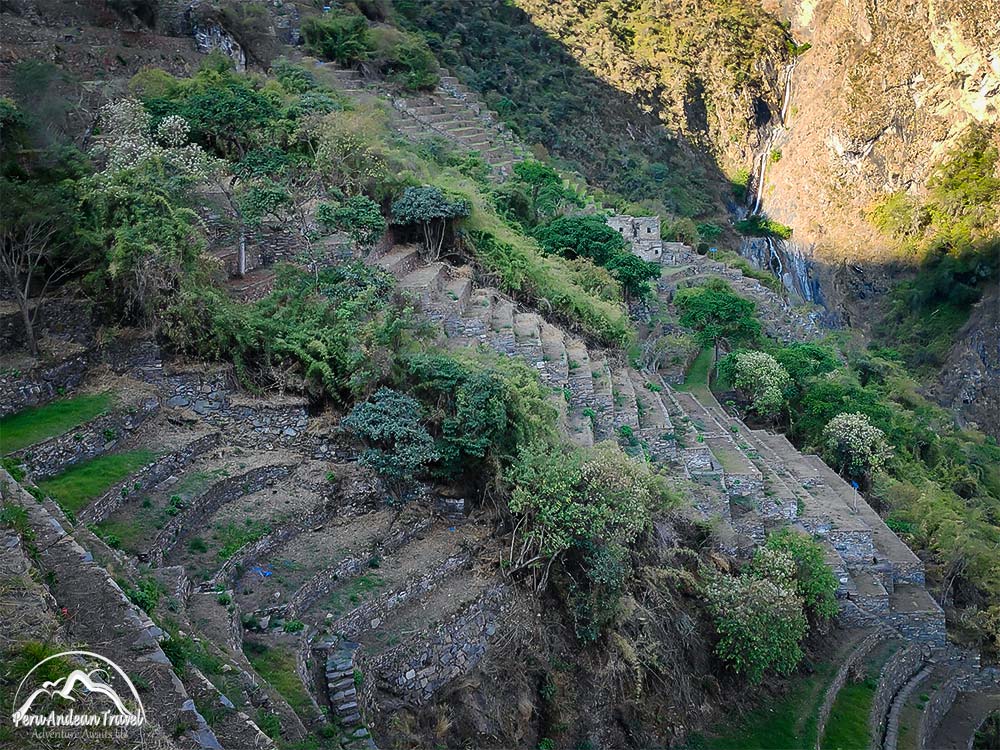
Terracing also helped manage soil and water. In a landscape affected by heavy seasonal rainfall and significant changes in elevation, well-designed agricultural infrastructure was essential for reducing erosion and supporting cultivation.
These terraces demonstrate how the Incas adapted their engineering knowledge to local conditions rather than relying on a single construction method everywhere.
Ceremonial spaces and plazas
Choquequirao contains plazas, platforms and buildings that may have served ceremonial, administrative and residential purposes. Their arrangement suggests that the organization of space was important to the people who planned and occupied the settlement.
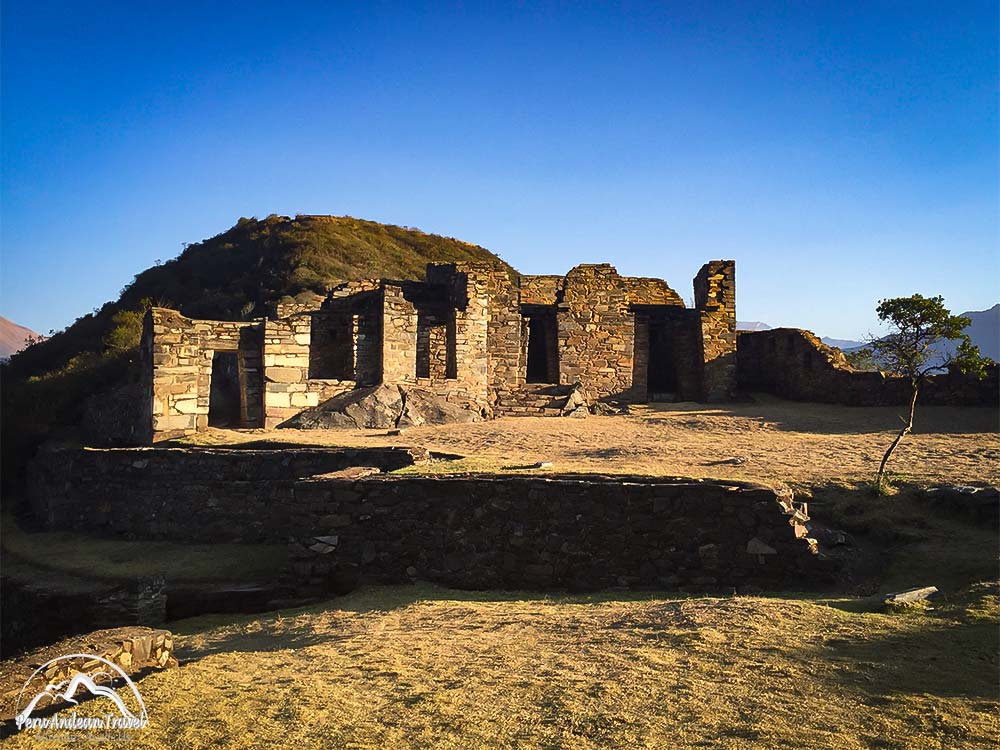
In the Inca world, public spaces could bring together political authority, religious observances and community activities. Although the exact ceremonies performed at Choquequirao are not fully known, its monumental architecture indicates that the site had significance beyond everyday agricultural work.
The stone llamas
One of the most distinctive features of Choquequirao is the series of terraces decorated with pale stone designs representing llamas. These figures stand out against the darker background of the terrace walls.
Llamas were essential animals in Andean life. They provided transport for goods, wool for textiles and, in some contexts, meat. They also held cultural and symbolic importance.
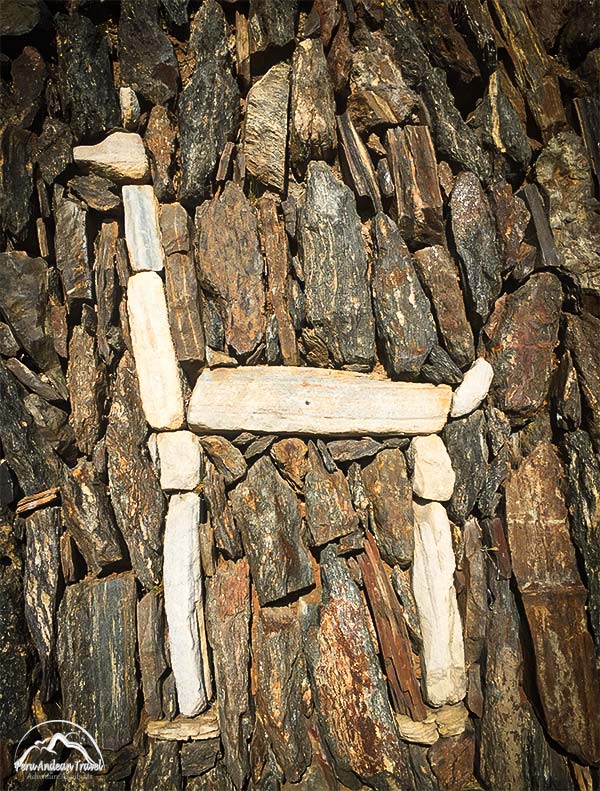
The figures at Choquequirao invite different interpretations concerning the relationship between animals, the landscape and Andean beliefs. Their exact meaning should not be reduced to a single explanation, but they provide a remarkable example of how artistic expression was incorporated into the built environment.
For visitors, these designs are a reminder that Inca architecture was not only practical. It could also communicate ideas and relationships that were important to the communities who created it.
Choquequirao and the Resistance in Vilcabamba
The arrival of the Spanish in the sixteenth century transformed the political and social landscape of the Andes. Inca rulers and their supporters resisted Spanish domination in several areas, and the mountainous region of Vilcabamba became an important center of resistance.
After the Spanish entered Cusco in the 1530s, Manco Inca and later Inca rulers maintained a state of resistance in the Vilcabamba region. This resistance continued until the Spanish campaign that culminated in the capture and execution of Túpac Amaru I in 1572.
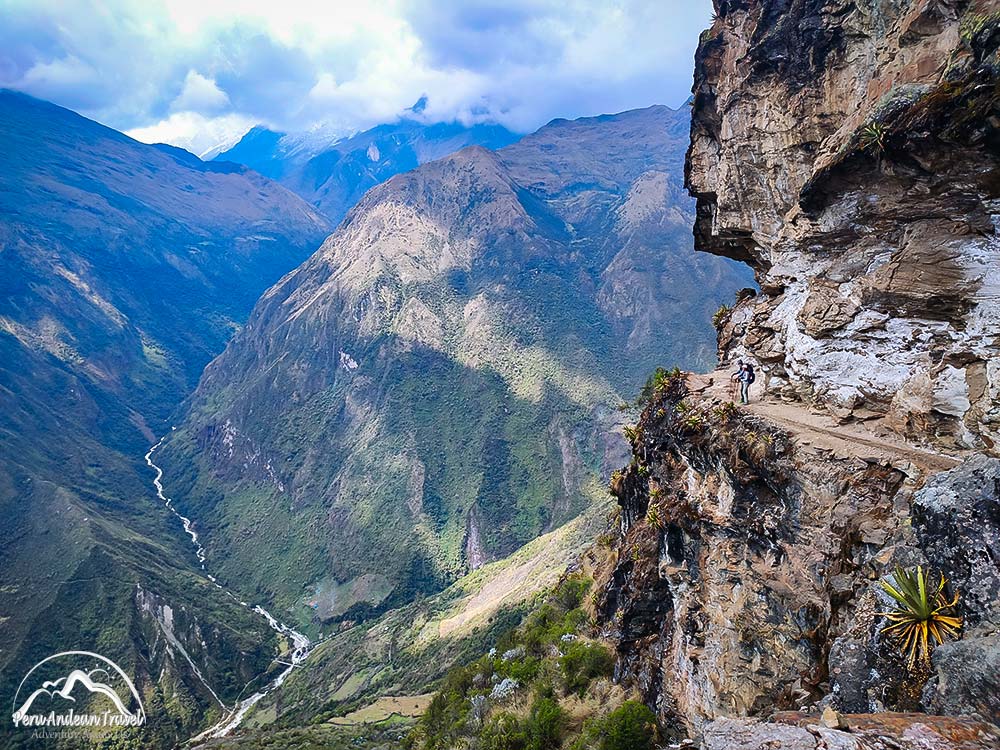
Choquequirao is frequently associated with this period because of its location within the wider Vilcabamba region and its resemblance to other important Inca settlements. Its strategic position would have made it relevant to movement through the mountains and to the management of resources.
However, the exact role played by Choquequirao during the resistance remains uncertain. It is safer to distinguish the well-documented history of Inca resistance in Vilcabamba from specific claims about Choquequirao’s role in those events.
The broader historical context helps explain why the region remains so important to understanding the final decades of independent Inca rule.
What Happened to Choquequirao After the Spanish Conquest?
The history of Choquequirao after the Spanish conquest is not completely understood. Historical documents, archaeological evidence and later accounts provide pieces of information, but they do not offer a continuous record of the site’s occupation.
Changes in political authority, population movements, colonial administration and the reorganization of settlements affected communities throughout the Andes. Such transformations may have contributed to changes in how Choquequirao was used and maintained.
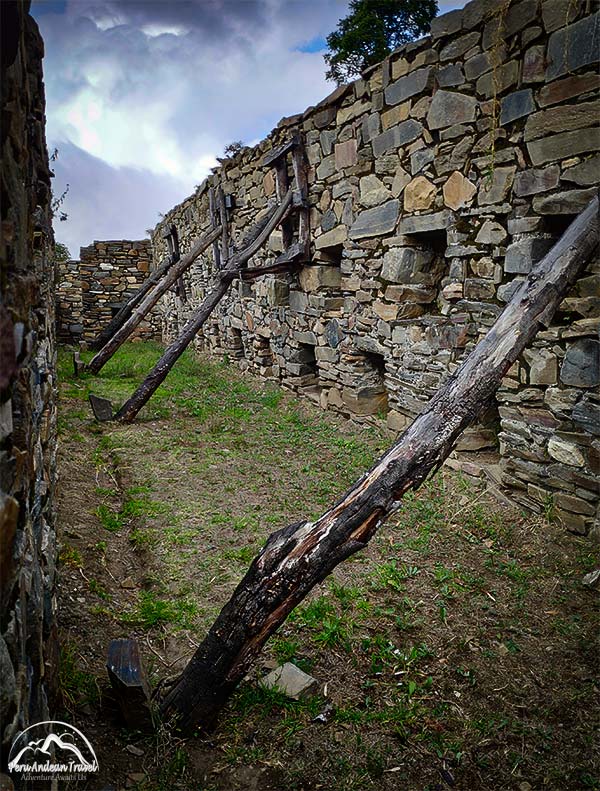
Over time, the site became increasingly difficult for outsiders to access and study. Its position among steep slopes and remote mountain valleys helped limit regular visits, while vegetation gradually covered many of its buildings and terraces.
It is important to remember that a place becoming less visible in written historical records does not necessarily mean that every connection with local communities disappeared. The history of many Andean archaeological sites includes periods of limited documentation as well as changing relationships between people and their ancestral landscapes.
Choquequirao’s surviving structures eventually became a subject of renewed interest among travelers, historians and researchers seeking to understand the region’s Inca past.
The First Historical Accounts and Hiram Bingham’s Expedition
Choquequirao was not completely unknown before the twentieth century. Earlier travelers had reached the site, and nineteenth-century accounts contributed to the growing body of information about the ruins.
The French explorer Eugène de Sartiges is associated with an early visit in the 1830s. His account helped bring attention to the archaeological remains and their unusual location above the Apurímac Canyon.
In 1909, the American explorer Hiram Bingham visited Choquequirao during his travels in Peru. His observations and descriptions contributed to the wider circulation of information about the site among international audiences.
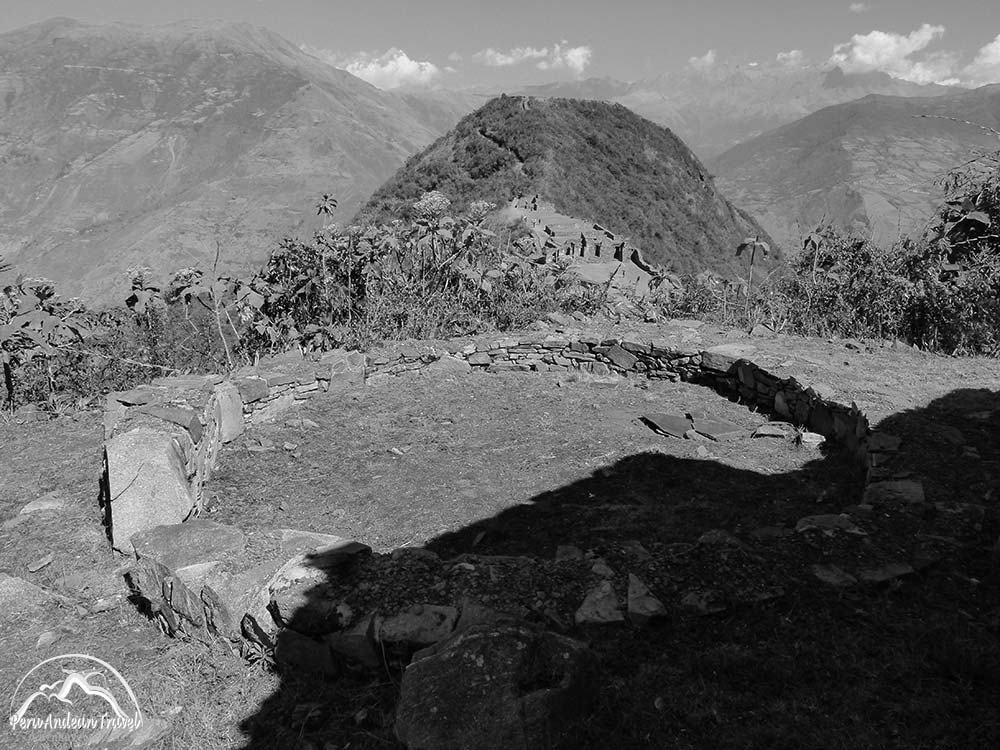
Bingham’s visit was part of a broader period of exploration and archaeological interest in the Andes. His later expeditions helped draw international attention to Inca archaeological sites, especially Machu Picchu.
However, Bingham should not be described as the person who discovered Choquequirao. Local people and earlier explorers already knew of the ruins. His importance lies in the documentation and dissemination of information about the site during the early twentieth century.
Subsequent archaeological work, surveys and conservation projects have helped researchers understand Choquequirao’s layout, construction methods and possible functions in greater detail.
Discover the History of Choquequirao on Foot
What is clear is that the archaeological complex represents an extraordinary achievement in engineering, landscape adaptation and settlement design. Its terraces, stone buildings and ceremonial spaces offer a valuable connection with the people who shaped this mountain environment centuries ago.
Exploring Choquequirao on foot makes the experience especially meaningful. The journey across the Apurímac Canyon and through the surrounding mountains reveals the scale of the natural challenges faced by anyone traveling to the site.
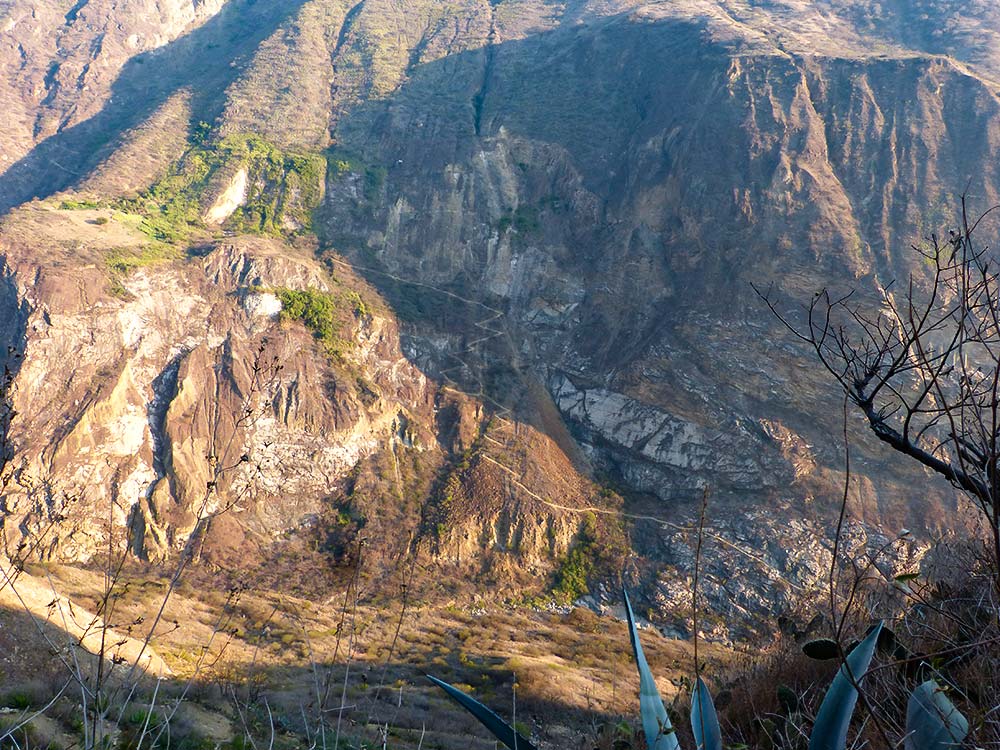
For travelers interested in Inca history, Andean culture and remote archaeological destinations, Choquequirao offers an opportunity to look beyond the best-known monuments of Peru and discover a place whose story is still being pieced together.
Plan your Choquequirao Trek with Choquequirao Travel and experience the remarkable landscapes, archaeological heritage and enduring mysteries of this extraordinary Inca site.


