
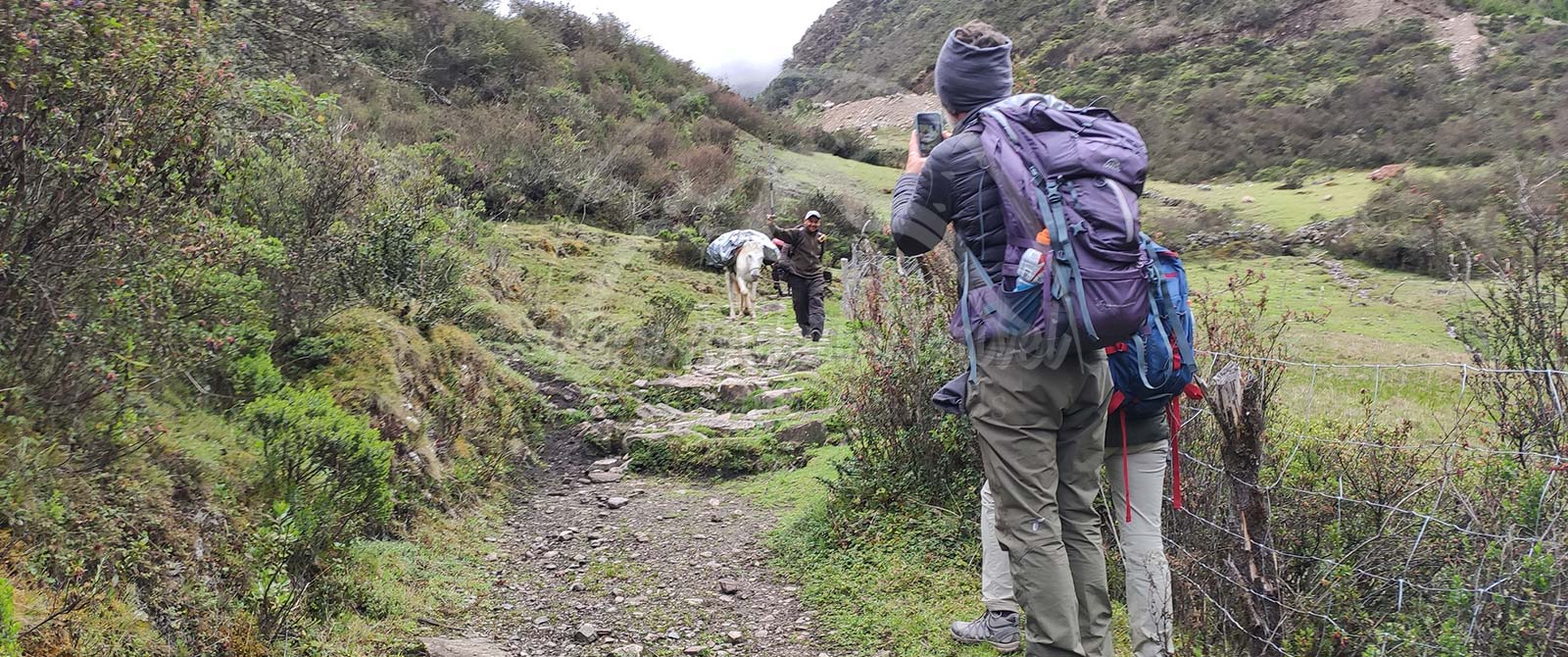
Getting to Choquequirao is an adventure that tests every traveler’s physical strength, patience, and sense of adventure. In the southern Peruvian Andes, deep canyons, towering mountains, and narrow trails make this journey much more than an ordinary hike. It is a challenging experience through some of the most impressive landscapes in Peru, the Choquequirao Trek Muleteers make this hike more accessible for us.
However, behind every expedition is a group of people whose work deserves recognition: the muleteers of Choquequirao. While hikers make their way along the mountain trails carrying their backpacks, muleteers travel the same routes with the supplies and equipment needed to support the journey.
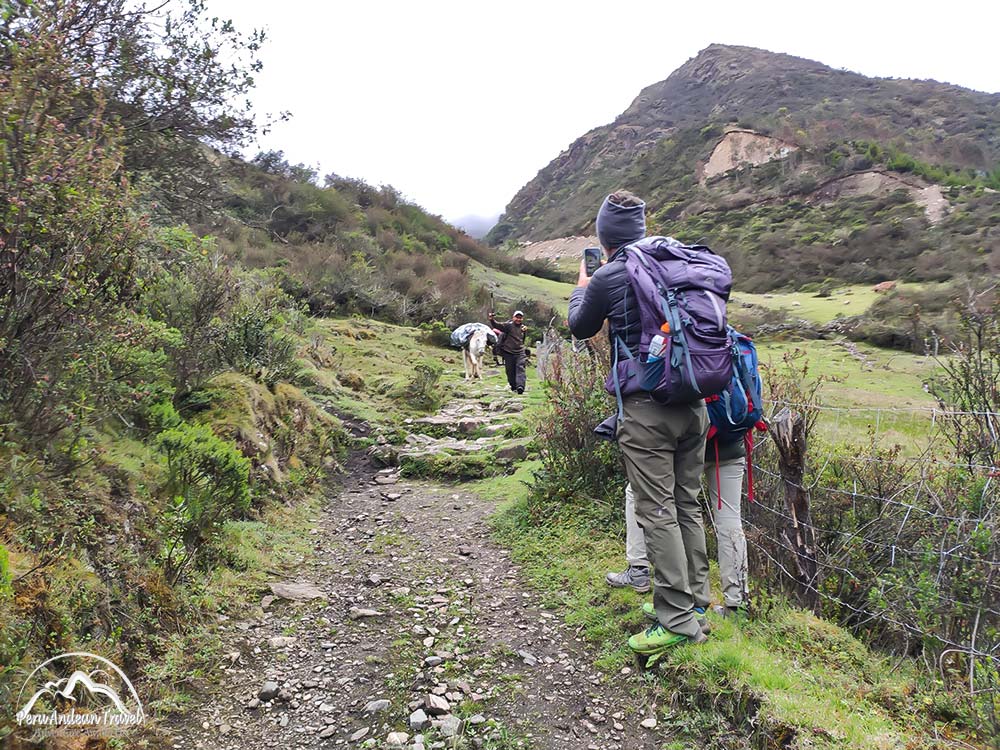
Their work requires experience, physical strength, and a deep understanding of the terrain. Muleteers are part of everyday life in the communities connected to this trekking route, and their work helps support the local economy.
Discovering Choquequirao also means learning about the people and animals that help connect this remote archaeological site with the outside world.
Who Are the Muleteers on the Choquequirao Trek?
Muleteers are experienced workers who guide and care for pack animals during journeys through rural areas and mountain trails. On the route to Choquequirao, their main responsibility is transporting the food, camping equipment, and other supplies that trekking groups need during their multi-day expeditions.
Their job involves much more than simply walking alongside a mule. They must know the trails, organize the loads, understand animal behavior, and adapt their work to changing trail conditions.
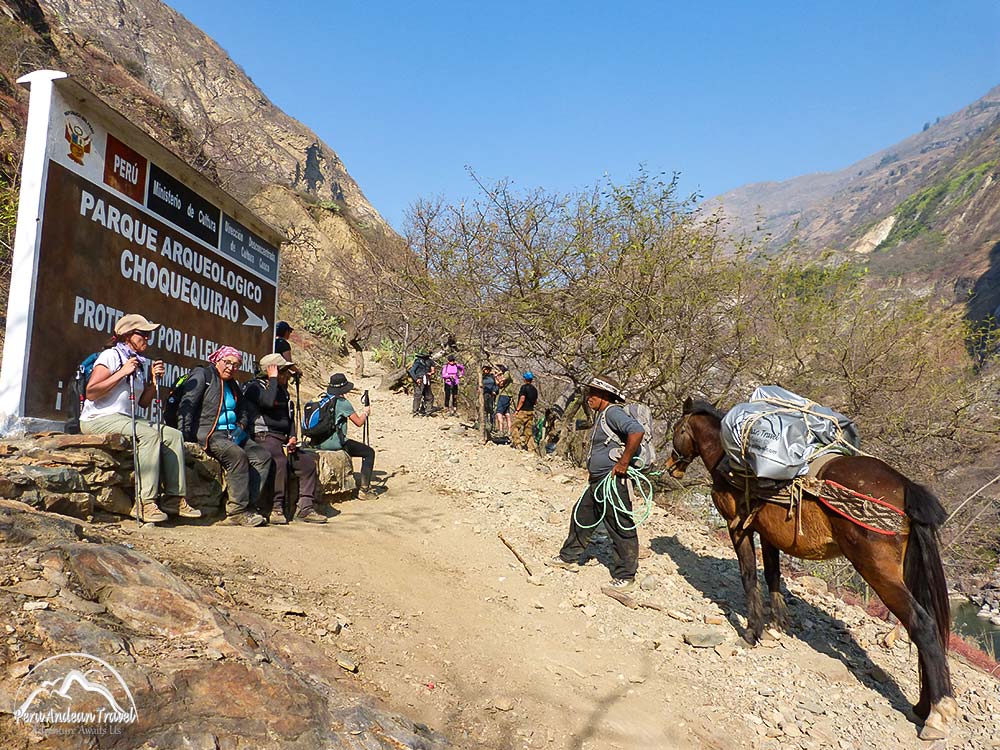
On a route with steep slopes and significant temperature differences between the canyon and the higher mountain areas, practical experience is essential.
Many travelers remember the beautiful scenery and the excitement of reaching the archaeological site. However, they may not realize that the muleteers often start their day much earlier, preparing the animals and organizing the equipment before the hikers even begin walking.
Recognizing their work means appreciating an essential part of the human effort behind many Choquequirao trekking expeditions.
The Strength and Experience of Choquequirao Trek Muleteers
Many muleteers have a quiet and reserved personality, but their faces often reflect years of experience and determination. Their strength has been shaped by working along one of Peru’s most demanding trekking routes.
For this article, we would like to share the experience of one of our muleteers, Rubén. He is around 45 years old and has been working on the Choquequirao route since he was 19. That means he has approximately 26 years of experience in this demanding but valuable profession.
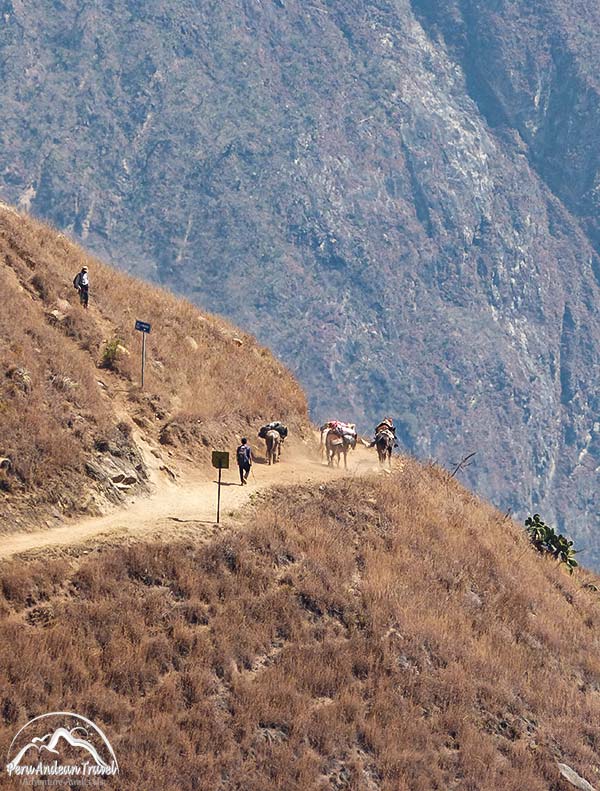
Together with his mules, Rubén has crossed these challenging mountain trails countless times. Over the years, he has helped many visitors and tour guides complete their journeys safely. Thanks to his knowledge of the route, he knows how to organize the transport and manage the animals along difficult sections of the trail.
His work, together with the strength of his mules, also allows visitors to walk with less weight and enjoy the experience with greater comfort.
Why Are Mules Used to Reach Choquequirao?
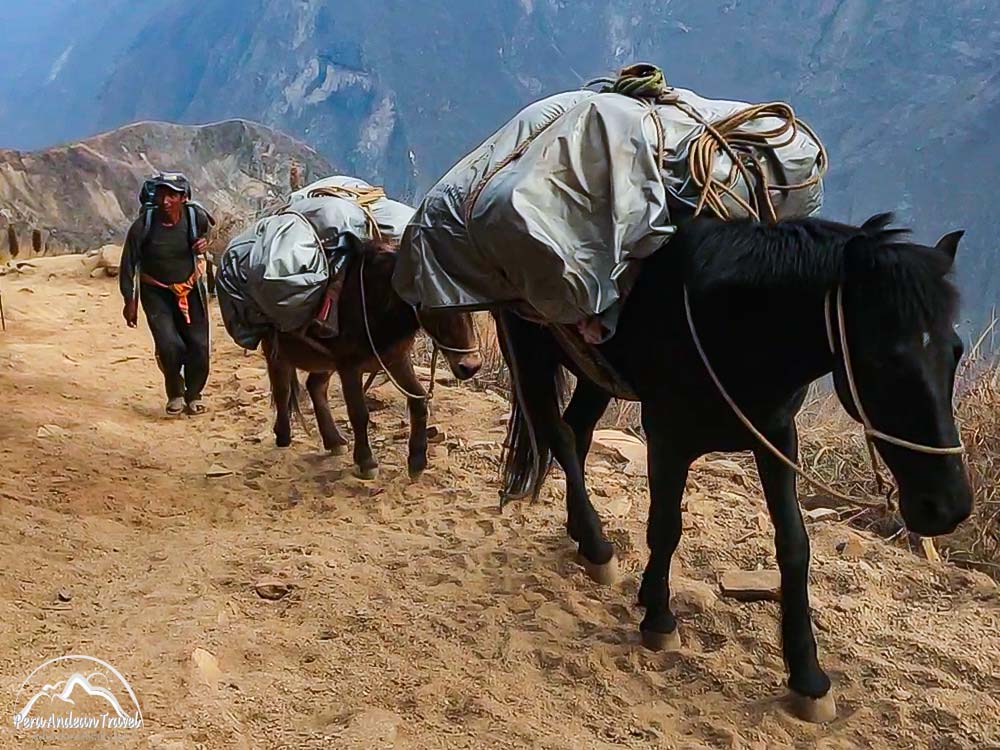
Rubén explained why mules are so important on this route. Compared with horses and donkeys, mules are generally strong and well suited to carrying loads across difficult mountain terrain. They can travel along steep slopes, descend into the Apurimac Canyon, and climb the opposite side toward the areas surrounding the archaeological site.
Horses are commonly used for riding, while mules are mainly used to transport equipment and supplies, such as camping gear, food, and cooking materials.
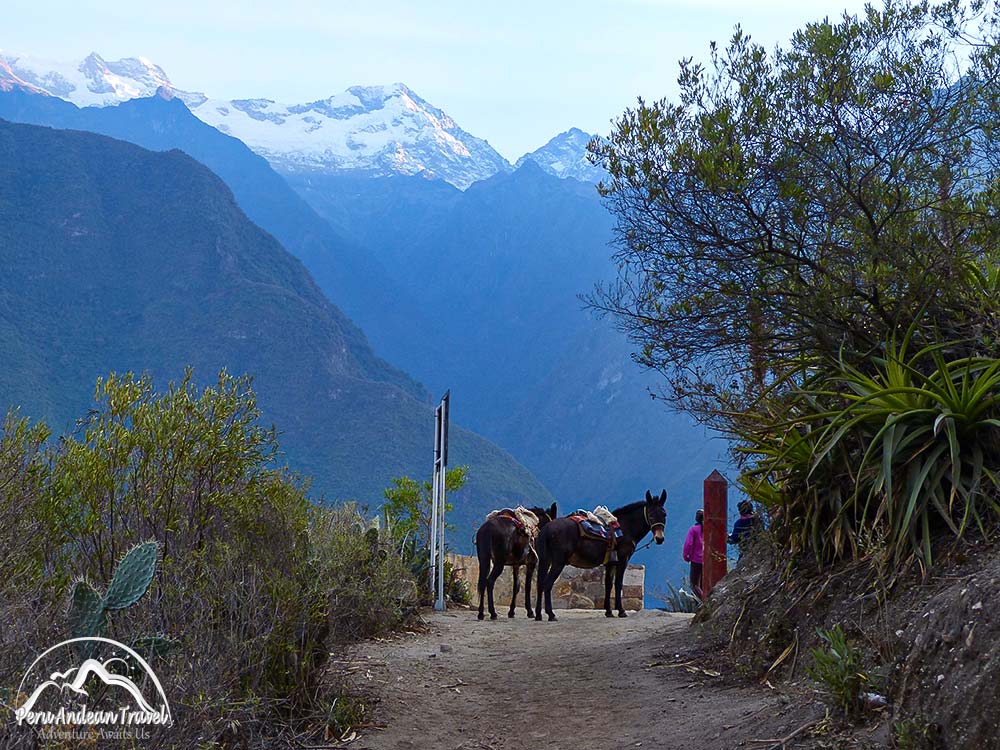
Because there are no roads leading directly to Choquequirao, these animals and the people who guide them play an important role in organizing trekking expeditions.
Rubén’s experience and the ability of his animals to move across uneven terrain make them valuable members of the team, provided that the trail conditions, workload, and weight are appropriate.
Some of the items transported by Choquequirao muleteers and their mules include:
- Tents, sleeping bags, and other camping equipment.
- Food and ingredients for preparing meals.
- Cooking utensils and group supplies.
- Hikers’ luggage, depending on the service arranged.
- Other materials needed to organize the expedition.
With this transportation system, hikers can carry a lighter daypack while the main equipment travels separately on the mules under the supervision of the muleteers.
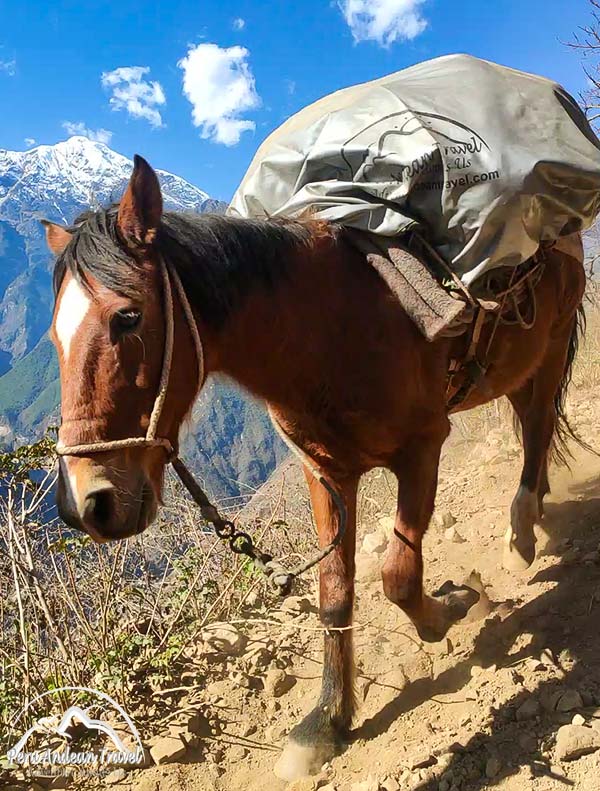
Nevertheless, using mules does not make the trek easy. The long descents and demanding climbs still require good physical preparation. For Rubén, the animals’ well-being is a priority because they are an essential part of the team that makes the journey possible.
Mules: Working Companions in the Andean Mountains
Mules are hybrid animals, usually born from the cross between a male donkey and a female horse. For generations, they have been used in mountainous regions because of their strength and usefulness for transporting loads.
On the Choquequirao trail, each animal is part of a working team that requires preparation, attention, and proper care. This responsibility belongs to Rubén and the other muleteers who take part in each expedition.
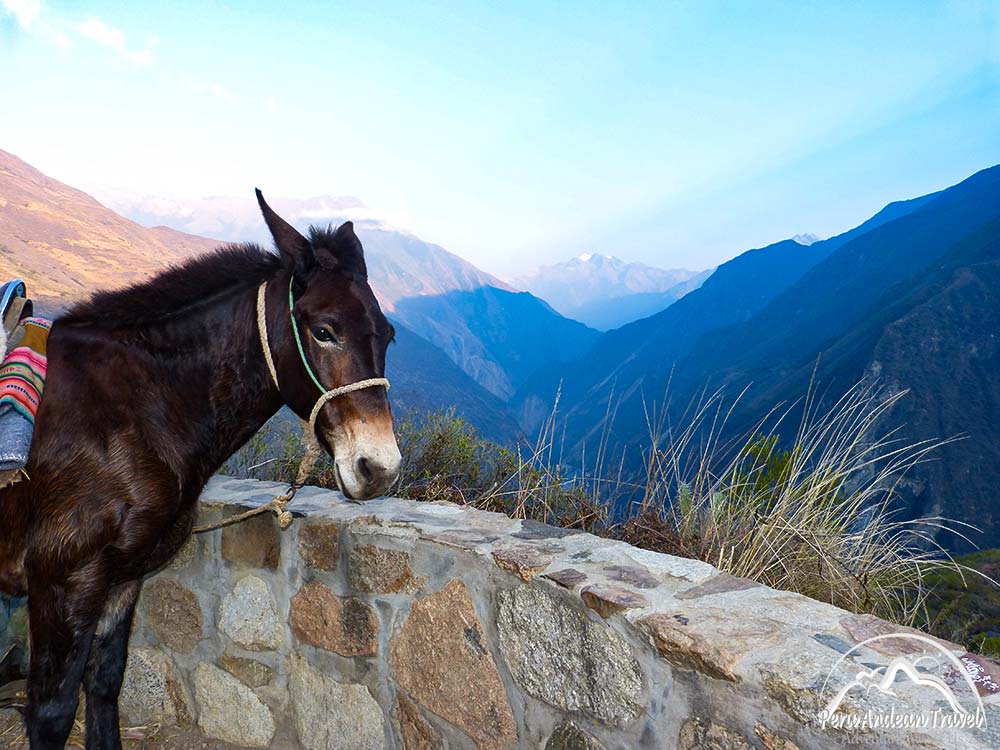
For example, when we organize our Choquequirao treks, Rubén plans the number of mules and muleteers needed according to the size of the group.
Before each day’s journey begins, the equipment must be checked, the weight distributed correctly, and every load secured. Along the trail, Rubén and his fellow muleteers pay attention to the condition of the path, the need for breaks, and any signs that an animal may be tired or uncomfortable.
Providing good service also means making sure the mules have enough water, appropriate food, and time to rest.
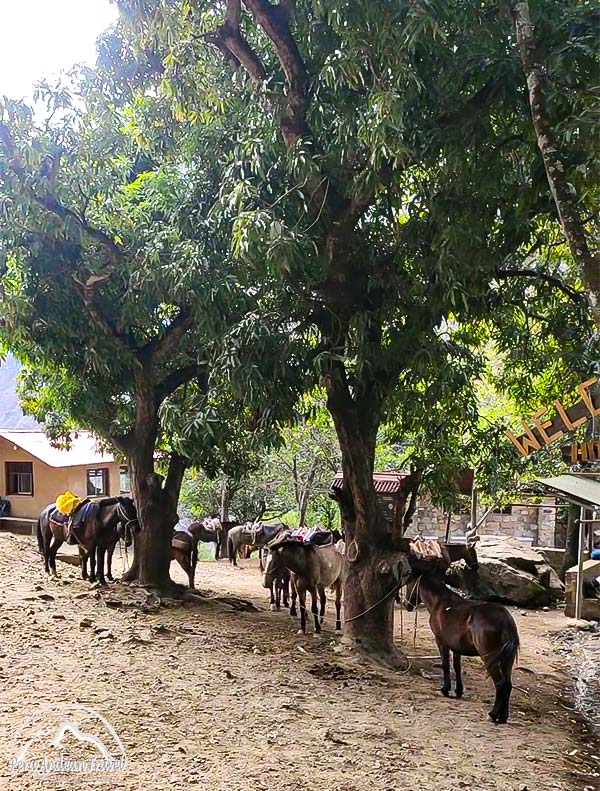
At Peru Andean Travel, our internal policies include limits on the weight carried by the mules. We want visitors, muleteers, and animals to reach the campsites safely and without unnecessary difficulties.
For travelers, watching these animals move along the mountain paths can become one of the most memorable parts of the expedition. Their presence reveals an important side of mountain tourism that often goes unnoticed: the organization, logistics, and hard work behind every journey.
A Day in the Life of a Choquequirao Muleteer
When a trip to Choquequirao is organized, Rubén, as the head muleteer, coordinates and plans the work with his team. Their goal is to make sure that everything is ready to provide visitors with a well-organized service.
A muleteer’s day may begin before the hikers have even finished breakfast. While the group prepares its backpacks, Rubén and his fellow workers check that the animals have been properly fed and that all equipment is distributed correctly.
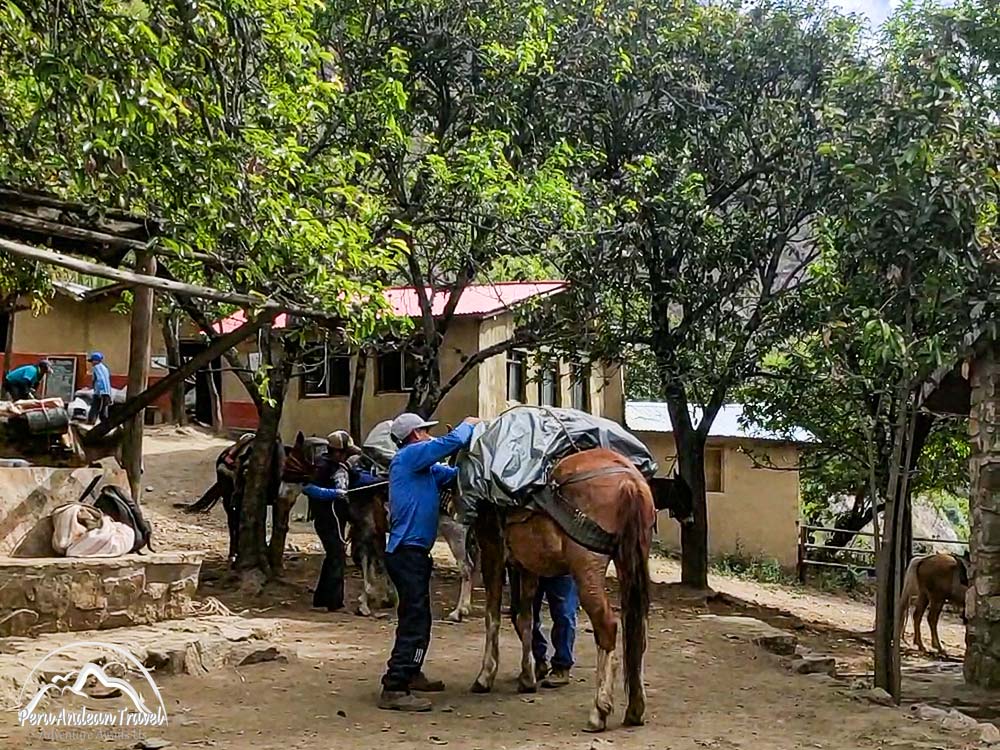
Organizing the loads is an important responsibility. If a bag or piece of equipment is not secured properly, it may move during the journey, cause discomfort, or affect the animal’s balance. That is why checking the saddles and distributing the weight evenly are essential parts of the daily preparation.
Once the journey begins, muleteers keep a close eye on both the animals and the trail. Some sections require special attention because of loose stones, narrow turns, and changing ground conditions. They may also encounter other muleteers returning along the same path with their animals.
Arriving at the campsite does not mean the work is over. Rubén and his team must unload the supplies, coordinate with the tour guide and cook, organize the equipment, and take care of the mules before they can finally rest.
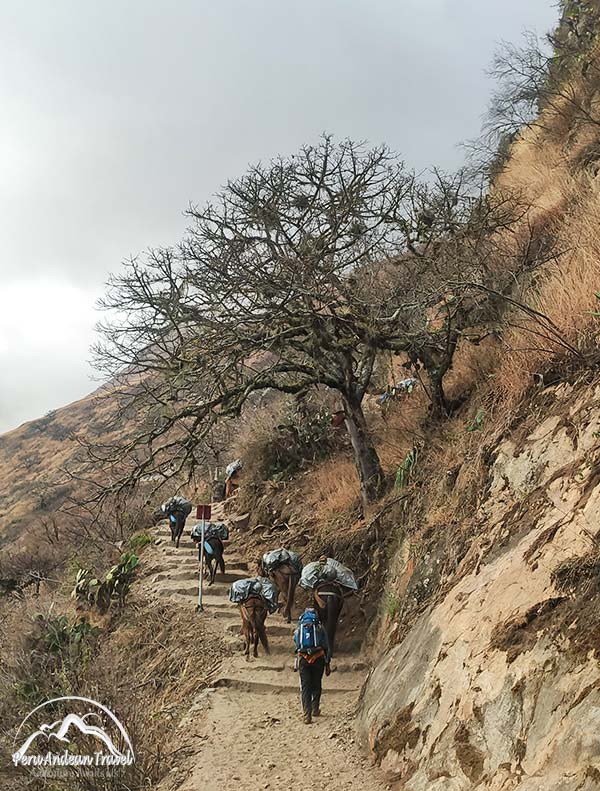
Rubén tells us that he is already used to the rhythm of the trek and considers much of the work part of his daily routine. However, he understands that every expedition is different. Rain, heat, trail conditions, and the behavior of the animals can all change the challenges of the day.
Behind every well-organized expedition, there is careful planning, responsibility, and many hours of work that visitors do not always get to see.
The Relationship Between a Muleteer and His Mule
For Rubén, the relationship with his mules has developed through years of experience and countless journeys to Choquequirao.
He knows which mule tends to lead the others along the trails through the Apurimac Canyon. Over time, he has learned to recognize their behavior, guide them safely, and notice when one of them needs a break.
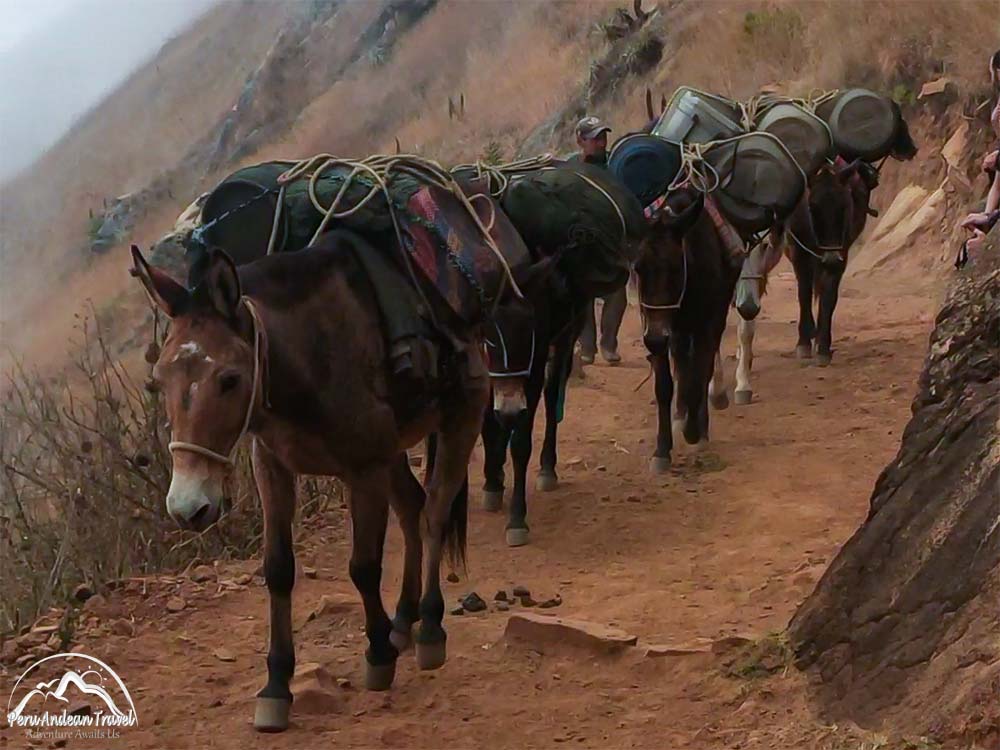
A mule is not simply a pack animal. It is a living being that deserves attention, respect, and proper care. Rubén looks after his animals, provides food and rest, and makes sure they are in suitable condition before each working day.
For us as a Choquequirao tour operator, this relationship is an important part of our standards when working with local service providers, including muleteers and their animals.
A responsible trekking expedition should consider not only the safety of visitors but also the welfare of every animal involved in the journey.
Muleteers and the Local Economy of Andean Communities
Tourism along the Choquequirao trekking route creates economic opportunities for communities near the trail. In addition to muleteers, many other local workers take part in this activity, including tour guides, cooks, transport providers, accommodation owners, and people who offer services to visitors.
Hiring local muleteers and their pack animals helps keep part of the tourism income within the area. It also recognizes valuable practical knowledge about the mountain trails, local conditions, and the care of working animals.
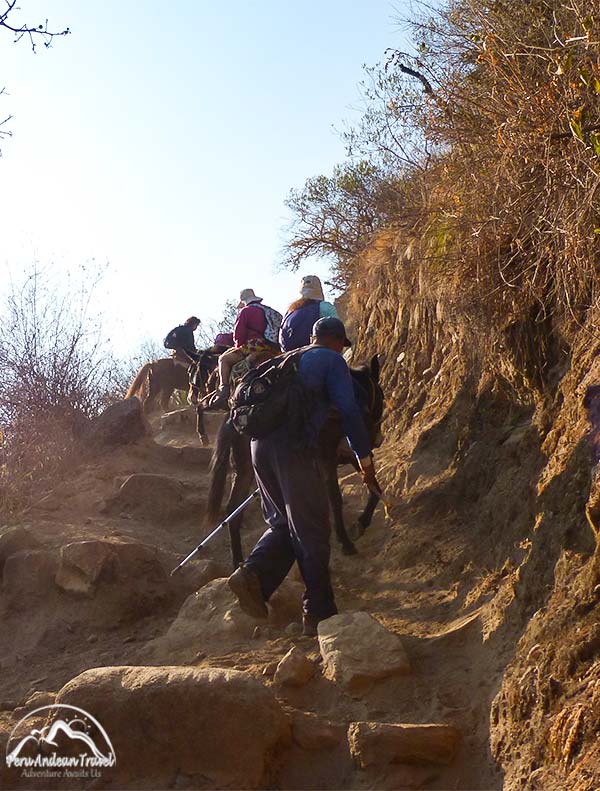
Tourism can provide an important opportunity for economic development in communities located far from large urban centers, where visitor services are among the available sources of income.
In this way, a visit to Choquequirao can become an experience that benefits not only travelers but also the people who help make the journey possible.
What Should Travelers Know Before Hiring Mules for Choquequirao?
If you are planning to hike to Choquequirao with the support of muleteers and pack animals, it is useful to confirm a few details before starting your trip.
If you book your trek through a travel agency, the agency usually arranges the muleteers and mules needed for the expedition. This allows you to focus on enjoying the journey.
If you are traveling independently and want to hire a mule, keep the following recommendations in mind:
- The mule service includes a muleteer. The muleteer is responsible for guiding and caring for the animal and managing the luggage assigned to it.
- Avoid sending fragile items with the mules. Luggage must be secured firmly to prevent it from moving or falling along the trail. Cameras, phones, and other delicate belongings are better carried in your personal backpack.
- Agree on the number of trekking days in advance. Make sure the muleteer knows how long you plan to stay in the Choquequirao area so that the service can be organized properly.
- Carry a personal daypack. Keep important belongings such as your camera, mobile phone, sunglasses, documents, and other fragile items with you.
- Arrange a riding horse in advance if needed. If you would like to hire a horse for riding, discuss availability, the service conditions, and the price before your trip.
Planning these details ahead of time can help avoid misunderstandings and make your trekking experience more comfortable.
The Muleteers: A Human Story Worth Telling
Rubén has countless memories and experiences from his years working on the route to Choquequirao.
When visitors finally see the stone walls and terraces of the Inca archaeological site, they often feel they have reached somewhere extraordinary. The distance, physical effort, and impressive scenery make that moment especially meaningful.
However, every expedition depends on people who prepare the meals, organize the campsites, guide the hikers, and transport the supplies. Among them is Rubén, whose work connects each trekking journey with the everyday life of Andean communities.
His story reminds us that mountain trails are not just places for adventure. They are also working environments where people share knowledge, develop skills, and maintain a close relationship with the land.
Mules, in turn, provide valuable support along sections of the route that are difficult to reach. Their participation requires responsibility and respect. The success of a trek should not be measured only by reaching the destination, but also by the way the journey is carried out.
Getting to know the muleteers of Choquequirao means discovering another story within the history of the Andes: the story of the people who make the journey possible.
Discovering Choquequirao Also Means Appreciating the People Who Take Us There
Visiting Choquequirao is an opportunity to explore an extraordinary archaeological heritage, admire the Apurimac Canyon, and walk through some of the most impressive landscapes in southern Peru.
However, the experience becomes even more meaningful when we recognize the effort of the muleteers and the important role their animals play along the trail.
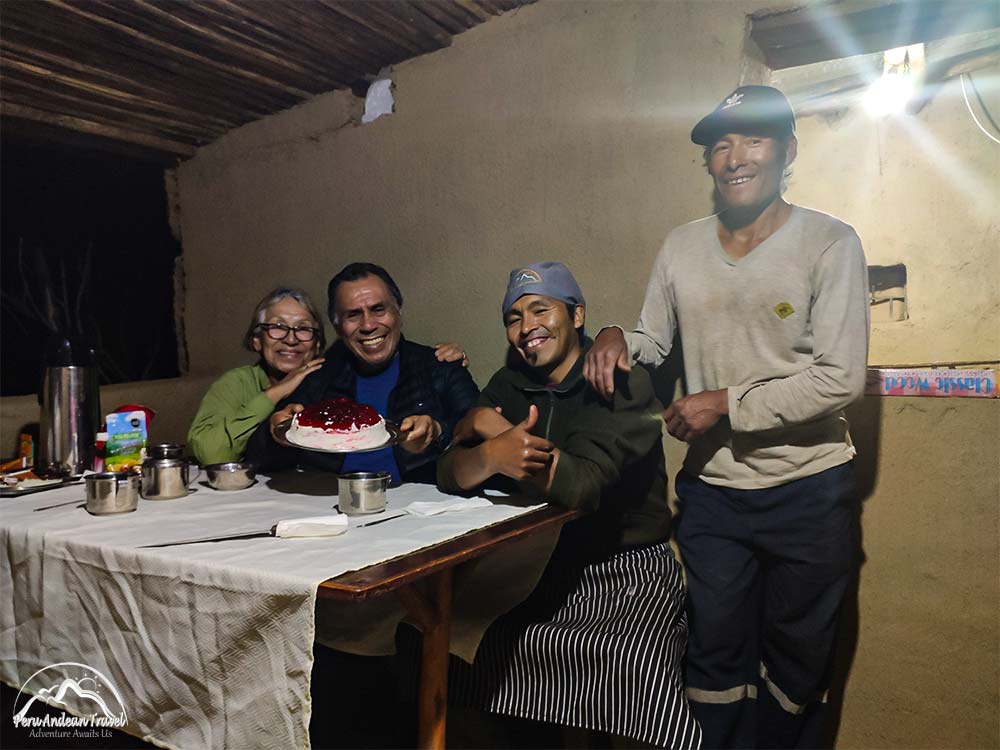
Behind every well-equipped campsite and every organized trekking day, there is planning, knowledge of the terrain, and hard work. Appreciating this contribution helps visitors better understand what a mountain expedition involves and why muleteers and their mules remain important to adventure tourism in the region.
If you decide to take this route, travel with an adventurous spirit, respect for Andean culture, and a commitment to animal welfare. The journey to Choquequirao can then become much more than a hike. It can be an experience of discovery, learning, and connection with the Andes.
Choquequirao preserves the memory of the Inca world, but its trails also invite us to recognize the people and animals who continue to keep the path to its history alive.


